The Collector's Approach: Building a Personal Roster of Companions With the Care of a Connoisseur
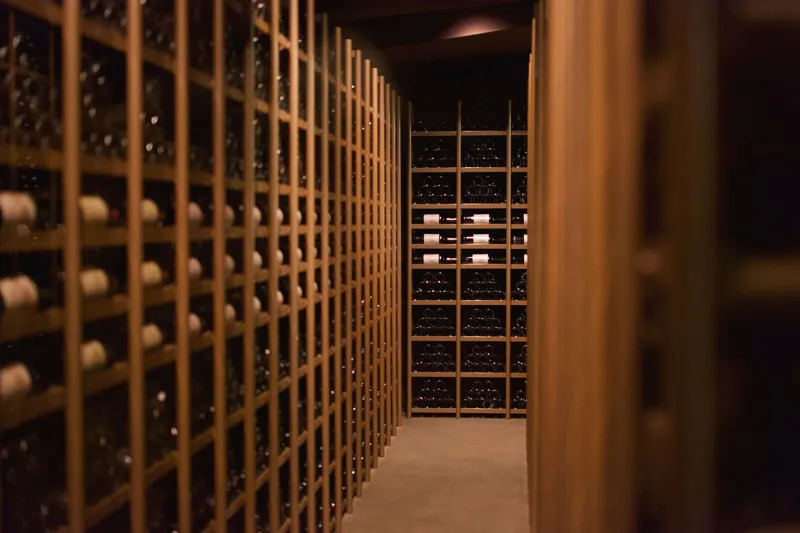
Every serious collector understands the same fundamental truth: abundance is not sophistication. The man with a thousand undifferentiated bottles knows less about wine than the man with thirty thoughtfully chosen ones. The same principle applies to companionship. A curated roster — small, deliberate, and maintained with intention — will always outserve an endless scroll of possibilities.
At Velvet Listings, we have observed that the most satisfied clients share a common habit: they collect deliberately. What follows is a framework for doing exactly that.
Why a Roster Beats a Rolodex
The impulse to keep options open is understandable, but it carries hidden costs. Every new booking requires fresh vetting, fresh conversation, fresh calibration of expectations. The experienced client recognizes that a roster of three to five well-understood companions delivers more consistent satisfaction than fifty untested profiles ever will.
Think of it as a cellar. A cellar is not a warehouse. It is a selected inventory, organized by occasion and mood, with a history attached to every entry.
Selection Criteria: What Belongs in the Cellar
Before adding anyone to your roster, apply the same scrutiny a sommelier applies before purchasing a case.
- Provenance. Can you verify the companion's presence, reviews, and reputation across platforms? A clean, consistent digital footprint is the equivalent of a documented bottle history.
- Balance. A well-built cellar needs variety — the polished dinner companion, the relaxed weekend presence, the conversationalist for long evenings. Avoid assembling five variations of the same profile.
- Aging potential. Some encounters are pleasant but shallow; others deepen with repetition. Favor the latter. Companions whose rapport grows across visits are the ones worth cellaring.
- Condition on arrival. Punctuality, presentation, and professionalism in the first meeting tell you almost everything. A flawed first bottle rarely improves in storage.
The Documentation Habit
Collectors keep records, and so should you. After each encounter, note the essentials in a private, secure file: dates, occasions, what worked, what didn't, preferences she mentioned, gifts that landed well. This is not surveillance — it is memory management. Few things flatter a companion less than being asked, on a third visit, what she does for a living.
Discretion governs here above all. Keep records encrypted or offline, use no real names attached to identifying details, and treat the file itself as something you would not want read aloud in a deposition. The ledger exists for your recall, not for anyone else's eyes.
Rotation With Intention
A cellar is not meant to sit untouched. Rotate deliberately: if you find yourself defaulting to one companion out of habit rather than genuine preference, schedule an evening with another on the roster. Familiarity should be a choice, not inertia.
Conversely, resist the urge to over-rotate. The standing appointment — the companion who knows your rhythms, your humor, your silences — is the aged vintage of this world. Nothing new quite matches it.
When to Open a New Bottle
There are legitimate moments to look beyond your roster:
- New occasions. A black-tie gala in Manhattan calls for a different companion than a quiet Napa weekend. If your cellar lacks the category, acquire thoughtfully.
- Geography. Relocation or frequent travel to a new city may justify regional additions — vetted with the same rigor as the originals.
- Retirement. Companions leave the profession. When a roster entry departs, replace deliberately rather than impulsively.
When you do acquire, run a single tasting before committing to a case: one booking, full attention, honest notes. Only then does the newcomer earn cellar space.
The Discipline of Restraint
The final lesson the collector's approach teaches is restraint. Not every appealing profile requires a booking. Not every pleasant evening requires a follow-up. The strength of a curated roster lies in what it excludes — the impulse additions, the novelty chases, the half-vetted risks.
Curate as you would cellar: slowly, selectively, and with the confidence that a small collection of excellent things will always outperform a warehouse of maybes. That, in the end, is the velvet standard.