The Maître d' Knows Your Name: Lessons From the Reservation Book for the Discerning Client
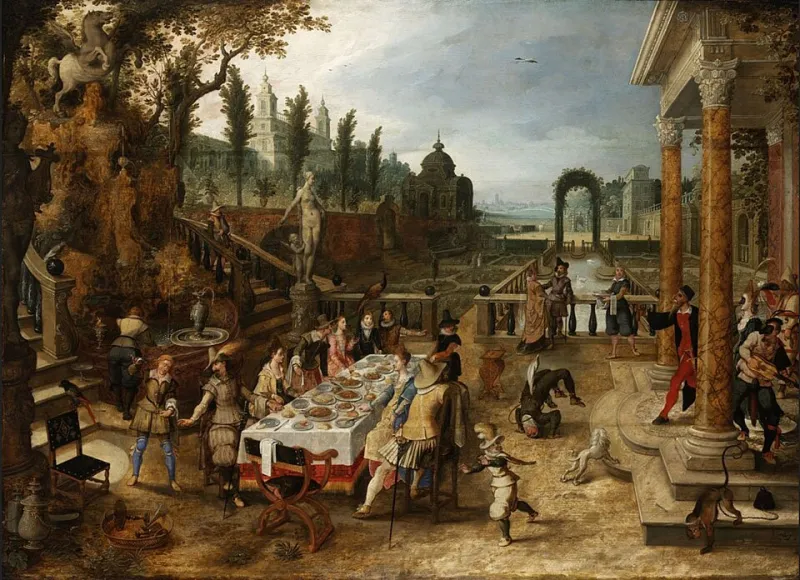
Photo: Sebastiaen Vrancx, Public domain, via Wikimedia Commons
There is a particular satisfaction in walking into an exclusive restaurant, being greeted by name, and led to a table that was never listed on any booking app. Regulars at places like Chicago's Alinea or a members-only supper club in Tribeca don't get that treatment by accident. They earned it through the same disciplines that separate a valued companionship client from an anonymous inquiry lost in a crowded inbox.
The parallel is closer than it first appears. Both worlds run on scarcity, reputation, and mutual discretion. And in both, the people who seem effortlessly favored are simply the ones who understood the system early.
Advance Notice Is a Form of Respect
Anyone who has tried to book a sought-after table knows the arithmetic: the shorter the notice, the thinner the options. A reservation made three weeks out gets the Friday you wanted. A same-day plea gets a 9:45 p.m. seat by the kitchen door — if anything at all.
Companionship operates on identical mechanics. Independent companions, particularly those with established reputations in markets like Los Angeles, Miami, or New York, manage calendars that fill quickly. A booking request sent with genuine lead time signals seriousness. It says you value her schedule as much as your own. Last-minute requests aren't always unwelcome, but they position you as an option rather than a priority — and premium professionals can tell the difference immediately.
Clarity Beats Charm
The best diners don't write rambling emails to a restaurant. They state the date, party size, and any preferences — allergies, seating, occasion — and let the staff do their work. Precision reads as competence.
The same holds when arranging a booking. A clear, courteous first message that includes the date, duration, location, and a genuine note of interest accomplishes more than paragraphs of flattery ever will. Vague inquiries force the companion to do the administrative labor, and few things erode a first impression faster. Think of your initial message as a reservation request, not a performance.
The Walk-In vs. the Regular
Walk-ins can occasionally charm their way to a table, but the economics never favor them. Restaurants — and companions — invest their best attention in the people who return. This isn't cynicism; it's how trust-based industries naturally organize themselves.
A client who books respectfully, shows up prepared, and treats the encounter as a genuine exchange builds something no one-time transaction can buy: priority. When schedules tighten, the regular gets the benefit of the doubt. When a companion's calendar is full, the client she knows and trusts hears about it first — or gets a graceful referral to a peer of equal standing.
Persistence plays a role here too, provided it's the respectful kind. A polite follow-up after a week of silence is reasonable. Five messages in two days is the companionship equivalent of showing up at the host stand and leaning on the podium.
Deposits, Cancellation Policies, and Other Unromantic Realities
Fine dining embraced cancellation policies and credit-card holds years ago, and nobody mistakes it for distrust. It's risk management in an industry where a no-show costs real money. Companions who request modest deposits or enforce clear cancellation terms are operating with the same professionalism as any three-star kitchen. Accepting these terms cheerfully — without haggling or commentary — is one of the fastest ways to signal that you belong in the premium tier.
Build the Relationship Before You Need It
The savviest diners don't wait for a special occasion to contact a restaurant. They dine in the slow season, remember the sommelier's name, and mention the staff's recommendations warmly. When the anniversary dinner needs the best table in the house, the request lands on fertile ground.
Consider applying the same logic to companionship. A shorter daytime booking, a well-timed note of appreciation, a repeat visit arranged without prompting — these small investments compound. When you eventually want an extended evening, a travel companion for a weekend in Napa, or a last-minute favor, you're asking as a known quantity.
The Takeaway
Neither restaurants nor companions owe anyone their time. Both extend it to those who demonstrate planning, precision, and patience. Approach your next booking the way you'd approach the hardest reservation in town: early, clearly, and with the humility of someone who understands that the best tables — and the best company — go to those who treat the process as seriously as the reward.